
Connect
© 2026 Kyekyekule Africa. All rights reserved.
kyekyekule.africa
© 2026 Kyekyekule Africa. All rights reserved.
kyekyekule.africa

Emmanuel Agyapong
Author
Published on:
May 11, 2026
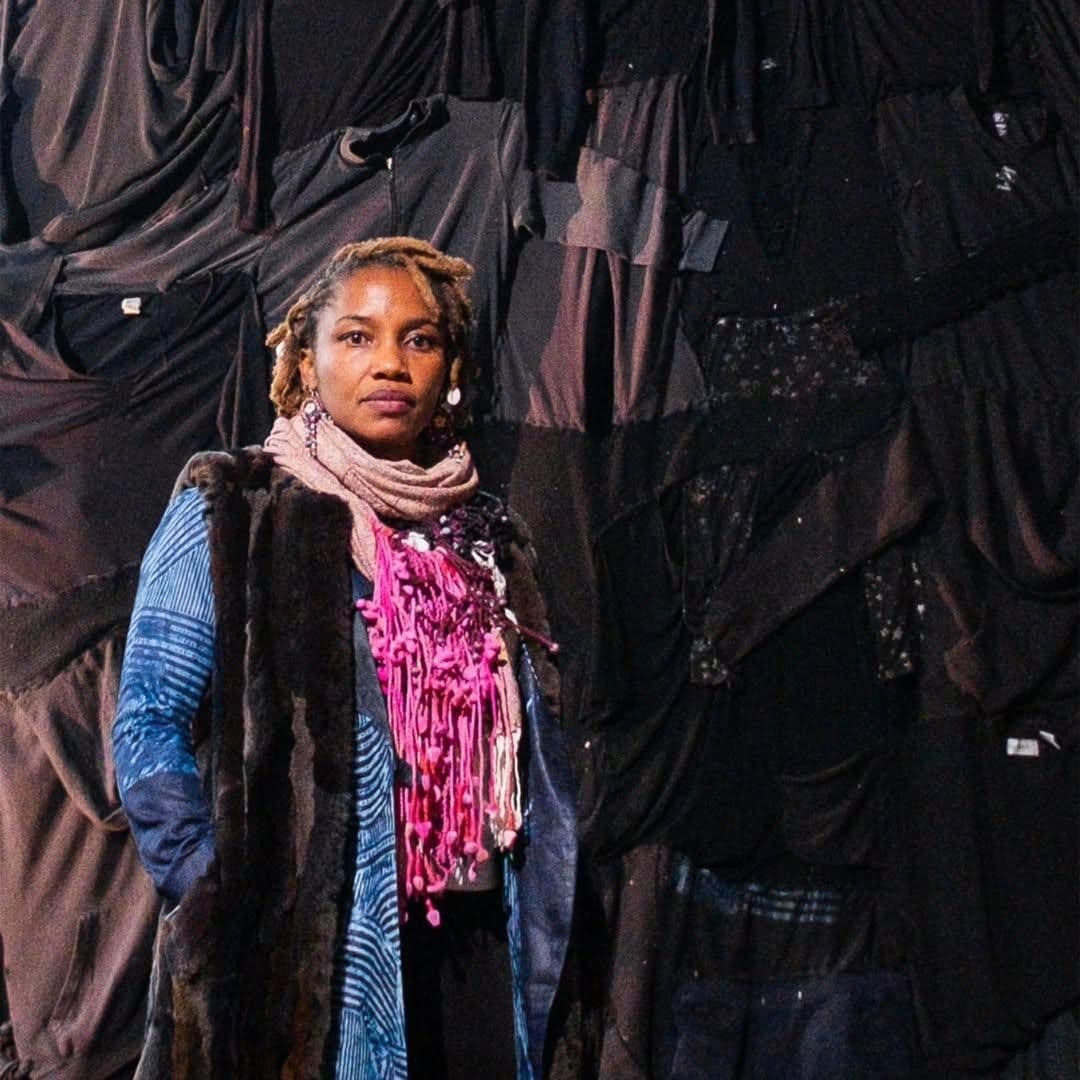
At the 61st Venice Biennale, Nigerian artist Victoria-Idongesit Udondian is using discarded clothing to tell a bigger story about labour, migration, memory, and the environmental cost of global fashion. Curated by Koyo Kouoh under the title In Minor Keys, her work is part of the Biennale’s International Exhibition. Through fabric, sound, and installation, Udondian asks viewers to think about where clothes come from, who handles them, and where they end up.
At the 61st Venice Biennale, Nigerian artist Victoria-Idongesit Udondian is using discarded clothing to tell a bigger story about labour, migration, memory, and the environmental cost of global fashion. Curated by Koyo Kouoh under the title In Minor Keys, her work is part of the Biennale’s International Exhibition. Through fabric, sound, and installation, Udondian asks viewers to think about where clothes come from, who handles them, and where they end up.
Born in Akwa Ibom State, Udondian has built a practice around the lives of materials. She works across textiles, sculpture, performance, photography, video, and ceramics. Her work often begins with objects people throw away, especially clothing. For her, these fabrics are not just materials. They carry traces of people’s lives—touch, movement, work, migration, and survival.

Photo Credit: Victoria-Idongesit Udondian (Obroni Wawu - a monumental textile installation at the 61st Venice Biennale, 2026)
At the centre of her Venice presentation is Obroni Wawu (2019–2026), a large outdoor installation at the Arsenale. The title comes from an Akan phrase often used for second-hand clothes arriving from the West into African markets. The work takes inspiration from Old Fadama and Kantamanto Market in Accra, where huge amounts of unwanted clothing pile up. Udondian combines textile forms with recorded sounds from markets in Ghana and Nigeria, alongside voices from migrants in New York and Accra, turning the work into both landscape and testimony.
The project also grows from years of work across Ghana, Nigeria, and the United States. In Ofong Ufok, she worked with immigrant women in New York to transform second-hand clothing into a shared community sculpture. In Okrika Reclaimed, she collaborated with women head porters known as kayayei at Kantamanto Market. Alongside the installation is Momome, a live performance by seven Black women whose collective movement reflects burden, care, endurance, and strength. Rather than using shock, Udondian builds a quiet but powerful space where discarded materials speak about people, systems, and survival.
September 30, 2026

September 11, 2026
September 8, 2026

September 2, 2026